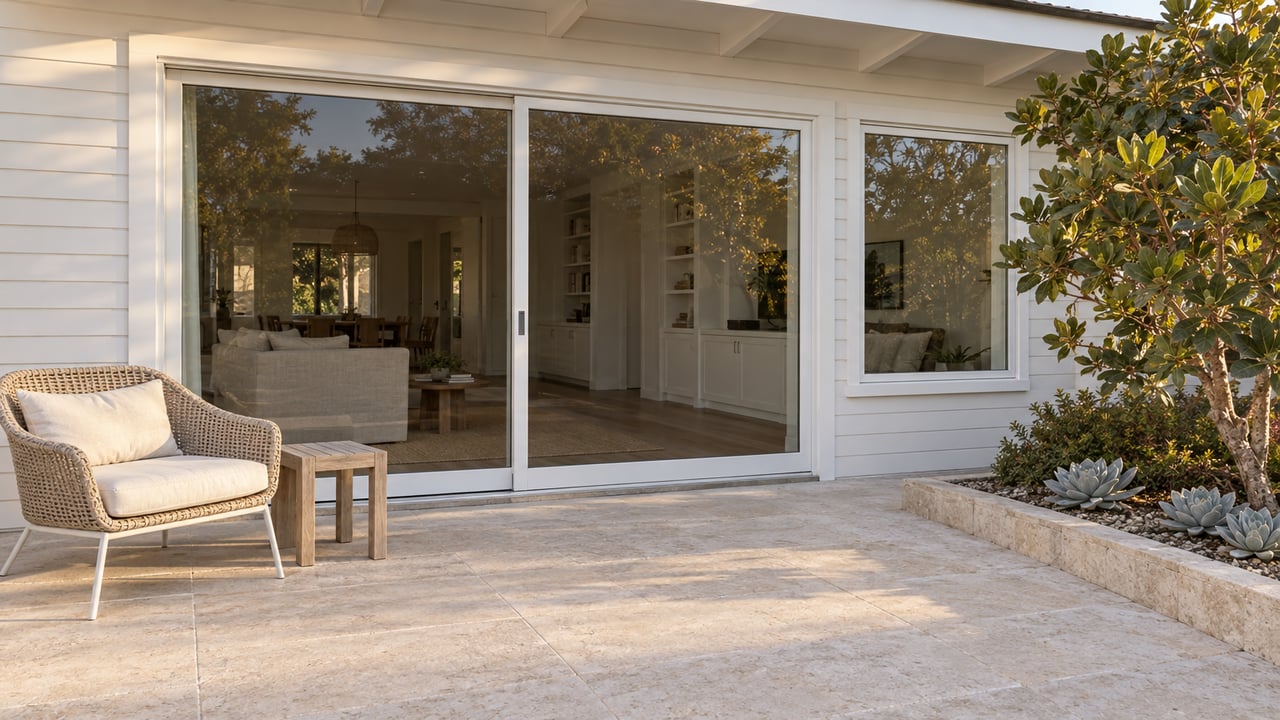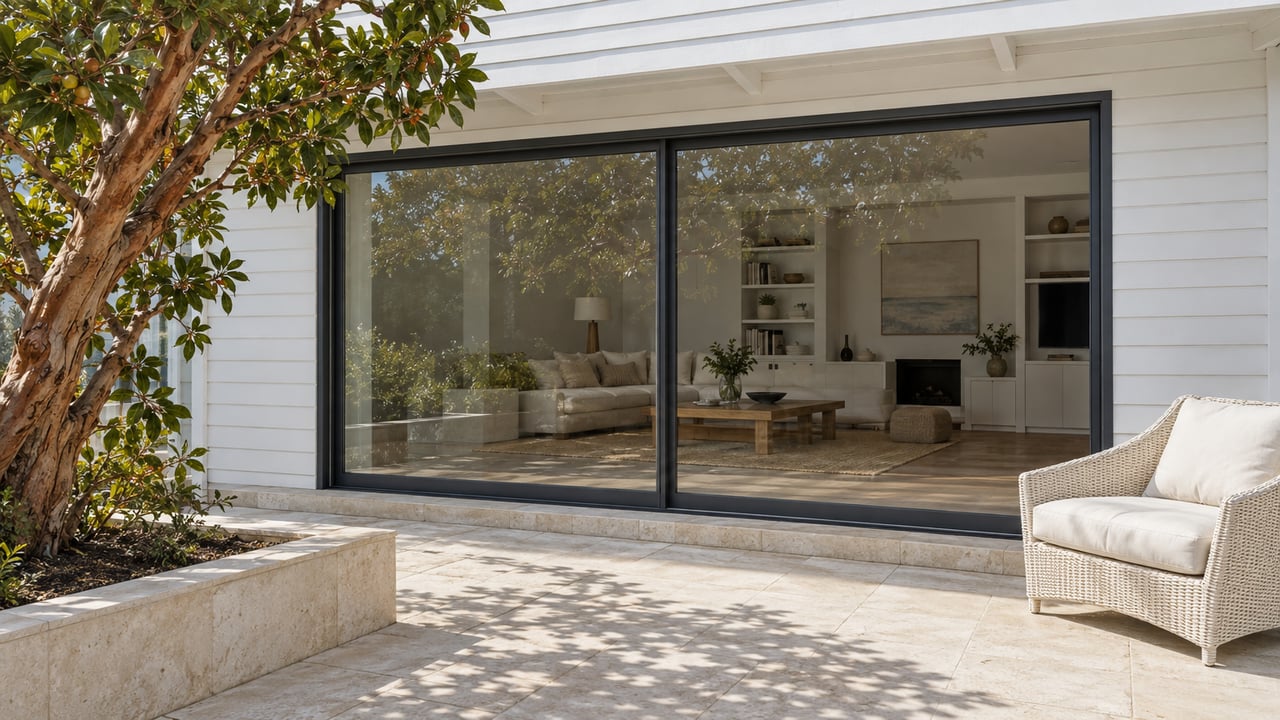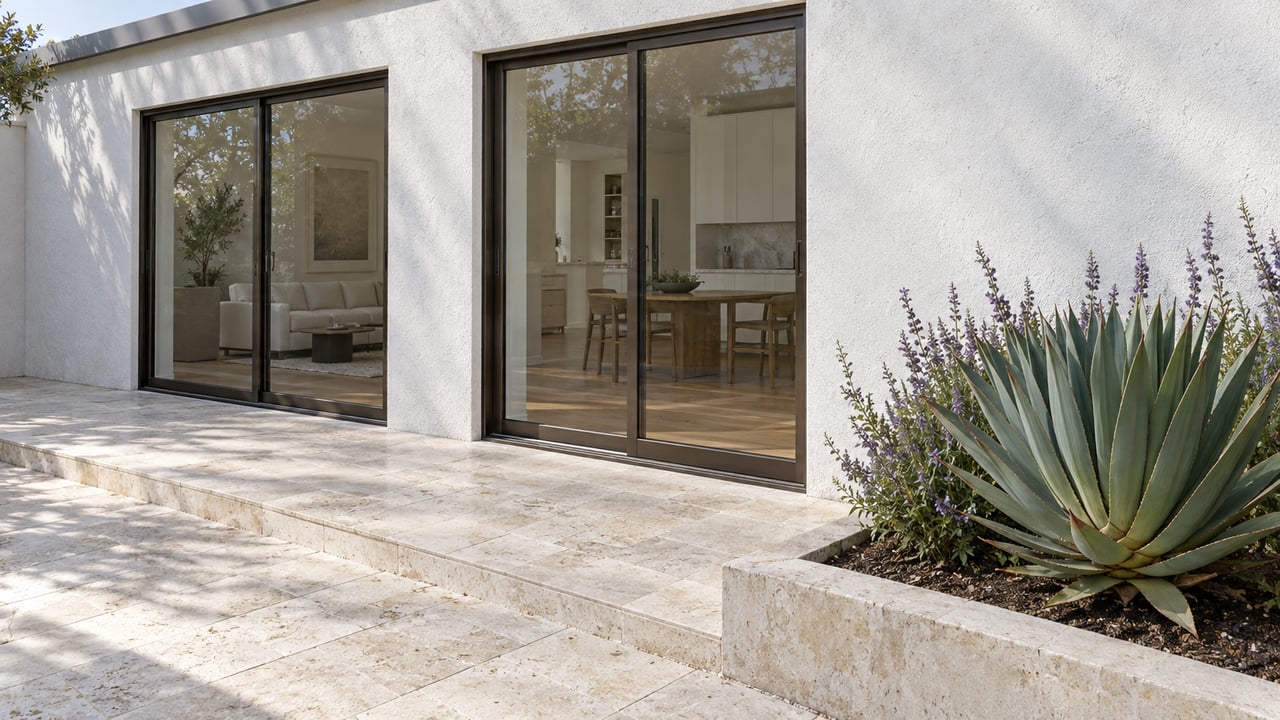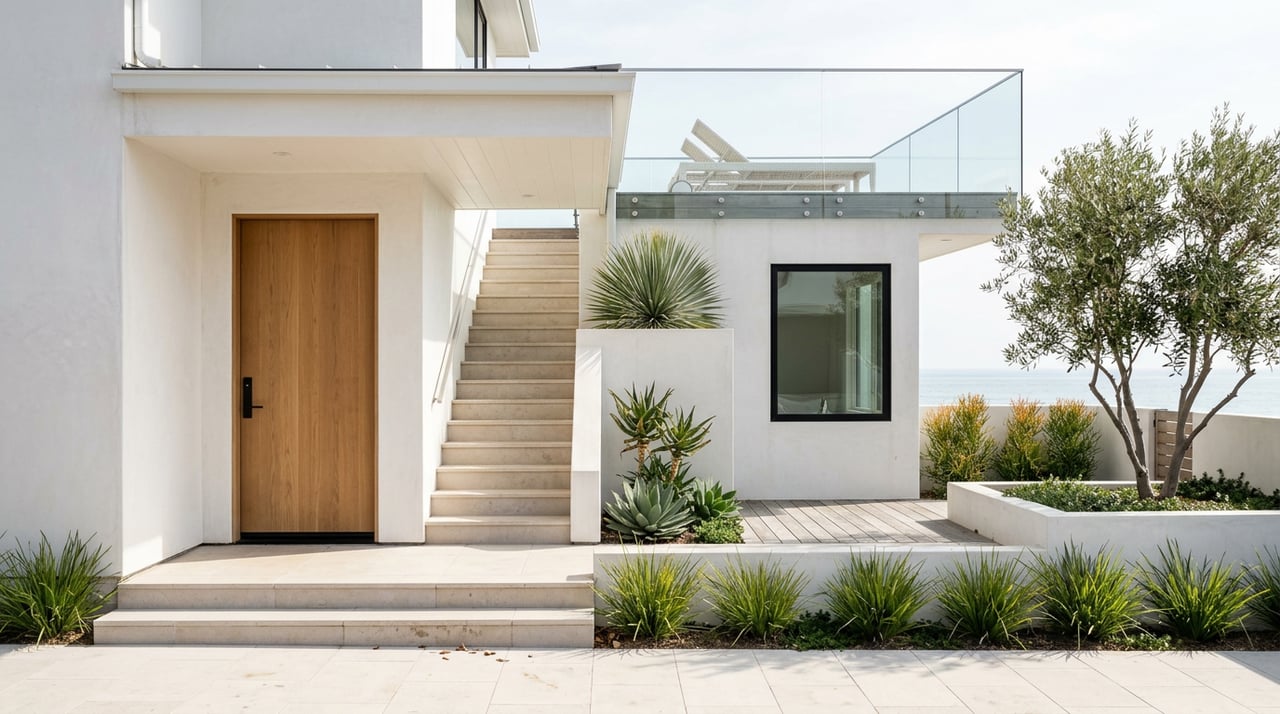
Torn between sweeping ocean views and a front-row seat to Village life in Del Mar? You are not alone. Both choices deliver a distinct lifestyle and long-term value, yet they come with different costs, risks, and day-to-day rhythms. In this guide, you will learn the key trade-offs, the must-do due diligence, and how to match each option to your priorities. Let’s dive in.
Ocean-view homes: what to expect
Architecture and lots
Ocean-view properties range from modern, glass-forward builds to remodeled cottages perched on bluffs or hills. Many are multi-level to capture sightlines, with terraces and large windows framing the horizon. Lots can be larger and more private, but hillside or bluff terrain may mean terracing and engineered solutions that add complexity and cost.
Topography and hazards
Coastal geology matters. Bluff retreat and shoreline change are active planning issues in Del Mar, and that affects maintenance, permitting, and long-term resale. The City’s ongoing sea-level rise and coastal hazards work provides context for permits and adaptation planning, which is essential homework for bluff or shoreline buyers. Review the City’s sea-level rise and Local Coastal Program resources on the Work Program page.
Privacy and noise
Ocean-view lots often feel more secluded. That said, the rail line that runs along the bluffs brings periodic train noise and construction activity related to stabilization. Before you commit, visit a property at different times to gauge sound and vibration. For broader context on the corridor and bluff conditions, see reporting on the Del Mar rail line and erosion in the New York Times.
Permits, insurance, and financing
Many bluff and shoreline improvements require a Coastal Development Permit and can be subject to coastal oversight. Factor this into your timeline and budget, and review any prior permits tied to seawalls, stairs, or past stabilization. Standard homeowners insurance generally excludes flood, and lenders can require flood policies if a home is within FEMA-designated zones. Use the FEMA Flood Map Service Center to check designations, and consult California consumer guidance on evolving flood coverage and risk from the Department of Insurance. For long-range context, Scripps provides clear answers on expected sea-level rise scenarios in California at its Sea-Level Rise FAQ.
Village homes: what to expect
Character and scale
Olde Del Mar and the downtown corridor along Camino del Mar deliver a low-rise, pedestrian-oriented feel with cottages, bungalows, and mixed-use buildings. Many lots are smaller and reflect historic village development. Buyers here often prioritize convenience, charm, and community over lot size.
Walkability and convenience
In the Village, coffee, dinner, boutique shopping, and beach paths are close by. Public access points connect you to Seagrove and Powerhouse parks and the sand. If a car-light lifestyle is on your list, Village locations can shine for daily ease.
Activity and events
With walkability comes bustle. Expect patio dining, deliveries, and evening activity, with seasonal surges tied to the Del Mar Racetrack and the San Diego County Fair at the Fairgrounds. These events boost local energy and traffic. For a feel of the area’s seasonal draw, browse this overview of Del Mar highlights.
Building limits to know
Village properties sit within zones that preserve scale and views. Height and massing are constrained in commercial and adjacent areas, which affects how much you can expand. Review the City’s standards, including CC zone guidance, in the municipal CC/PF Zone Amendments document before planning additions.
Key trade-offs at a glance
| Factor | Ocean-View Homes | Village Homes |
|---|---|---|
| Architecture and lot | Multi-level designs, terraces, engineered hillside or bluff solutions. Action: budget for engineering. | Cottages and low-rise forms on compact lots. Action: plan for efficient use of space. |
| Walkability | Often a short drive to shops and dining. Action: test daily routes. | Doorstep access to restaurants, parks, and beach paths. Action: walk the area at peak times. |
| Privacy and noise | More privacy. Train and bluff work can add noise at times. Action: visit day and night. | More street activity and evening dining noise. Action: check weekend sound levels. |
| Permitting | Coastal Development Permits often required near bluffs/shoreline. Action: verify permit history. | Simpler for interior updates. Height and massing rules apply. Action: confirm zoning limits. |
| Insurance and flood | Possible flood designations and higher premiums. Action: pull FEMA maps and quotes. | Lower flood exposure on higher ground, but verify parcel by parcel. Action: check maps anyway. |
| Hazard exposure | Bluff retreat and erosion are material. Action: obtain geotechnical reports. | Fewer geotechnical risks away from bluffs. Action: review soils and utility easements. |
| Parking | Private driveways more common on larger lots. Action: confirm guest options. | Street or limited on-site parking. Action: review local parking rules. |
| Resale and liquidity | Scarce view homes can command premiums and longer market times. | Broad appeal to lifestyle buyers, often steadier demand. |
| STR potential | High per-night rates, but tightly regulated. Action: review STR rules. | Walkable locations are attractive, but permits are capped. Action: confirm eligibility. |
Due diligence checklist
Use this checklist to compare properties and build confidence before you write an offer.
- Pull FEMA flood maps and any elevation certificates. If a home sits in a Special Flood Hazard Area or coastal V zone, expect lender requirements for flood coverage. Start with the FEMA Flood Map Service Center.
- Review the City’s sea-level rise planning, hazard policies, and coastal permit framework for bluff or shoreline properties on the Work Program page. Ask for copies of any Coastal Development Permits, seawall approvals, or past stabilization work.
- Visit at different times, including evenings and weekends, to gauge train noise, restaurant activity, traffic, and parking. For context on the bluff rail corridor and erosion risk, see the New York Times overview.
- Request recent geotechnical and soils reports for hillside or bluff properties. If none exist, budget for a geotechnical investigation and slope-stability review.
- Verify recorded easements. A “view easement” must be recorded to be enforceable, so do not assume views are protected. Read a plain-English primer on view rights from FindLaw.
- Confirm who maintains any seawalls, revetments, or bluff-access stairs if present. Responsibilities vary by permit and location. Public notices can offer clues, like these examples in The Coast News legal notices.
- Get preliminary insurance quotes early. Standard homeowners policies exclude flood, and premiums vary with elevation and proximity to hazards. See state consumer guidance from the California Department of Insurance.
- If rental income is part of your plan, read Del Mar’s short-term rental rules, which cap permits and emphasize owner-occupancy. Start with the City’s Short-Term Rentals page.
- For Village homes, confirm parking rules and any event-day restrictions near the Fairgrounds. The City’s Work Program page links to planning and municipal resources.
Market and resale dynamics
Public market indices place Del Mar home values in the multimillion range. Prices, days on market, and inventory change month to month, and ocean-view scarcity can produce wide spreads. Use current comps to set expectations for both classes of homes.
Ocean-view properties command premiums for sightlines and privacy. They can also carry higher long-term maintenance and engineering costs, and more complex permitting. That mix can lengthen time on market even when final prices are strong.
Village homes draw a broad buyer pool that values walkability and convenience. Well-priced homes near amenities tend to see consistent interest, including condos and townhomes at relatively lower entry points. Liquidity can be steadier for the right Village address.
Which is right for you?
Ask yourself a few questions to clarify fit and trade-offs.
- Do you want morning coffee on foot or sunsets from a private terrace more often?
- Are you comfortable managing coastal permits and potential engineering needs in exchange for big views?
- How sensitive are you to train noise or seasonal event traffic?
- Would you trade lot size for daily convenience near parks, dining, and the beach?
- Is short-term rental potential a key part of your plan, and have you checked the City’s rules and caps?
Whichever path you choose, a precise due-diligence plan is the best insurance for value, livability, and resale.
Ready to compare specific homes, run true comps, and map out permits, insurance, and staging to maximize value? Connect with Todd Vassar for a tailored consultation and a clear plan to move forward with confidence.
FAQs
Do ocean-view homes in Del Mar always resell for more?
- Not always. Views add value, but lot usability, access, condition, and hazard exposure can outweigh view premiums. Use current local comps before deciding.
Are coastal permits tougher for oceanfront renovations in Del Mar?
- Yes. Many bluff or shoreline changes need a Coastal Development Permit and follow the City’s coastal policies. Start with the City’s Work Program resources.
How big a deal is train noise near Del Mar bluffs?
- It varies by site. Visit at multiple times to assess noise and vibration. For context on the rail corridor and bluffs, see this New York Times report.
What are Del Mar’s short-term rental rules?
- The City caps permits and emphasizes owner-occupancy for legal STRs. Review steps, eligibility, and fees on the City’s Short-Term Rentals page.
Do I need flood insurance for a Del Mar coastal home?
- If a lender determines the property lies in a FEMA Special Flood Hazard Area or V zone, flood coverage is typically required. Check the FEMA Flood Map Service Center.