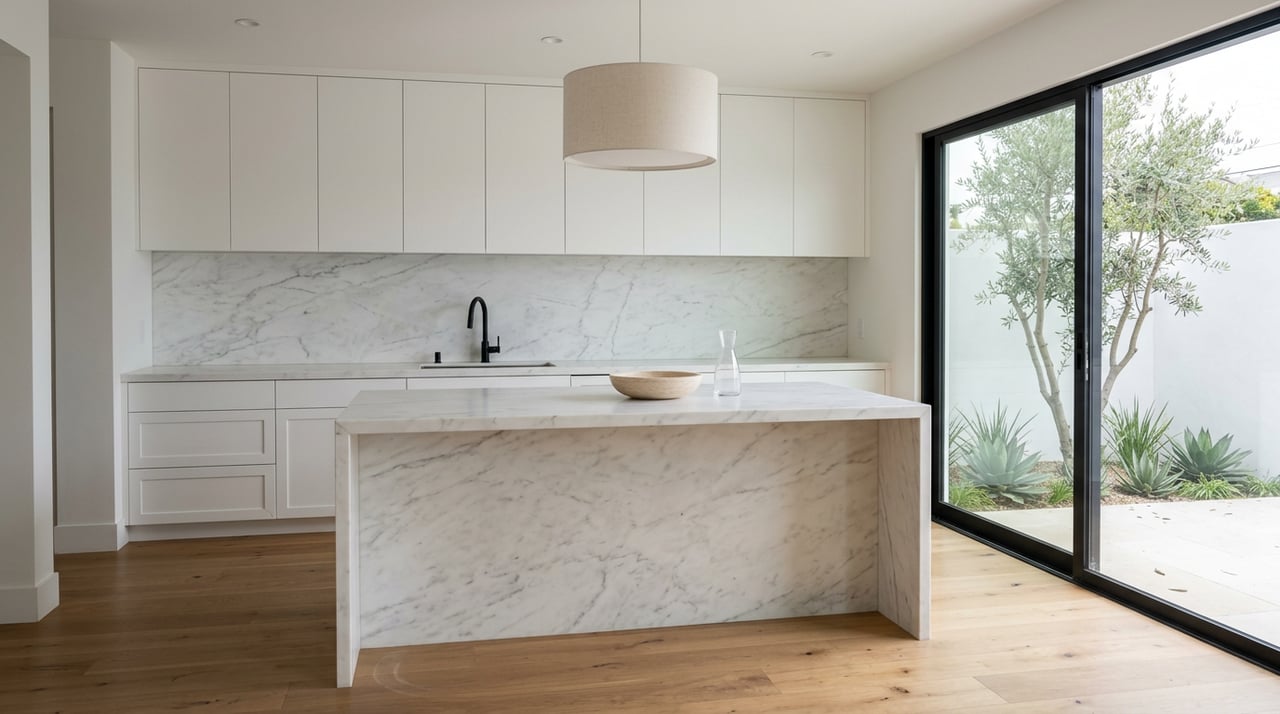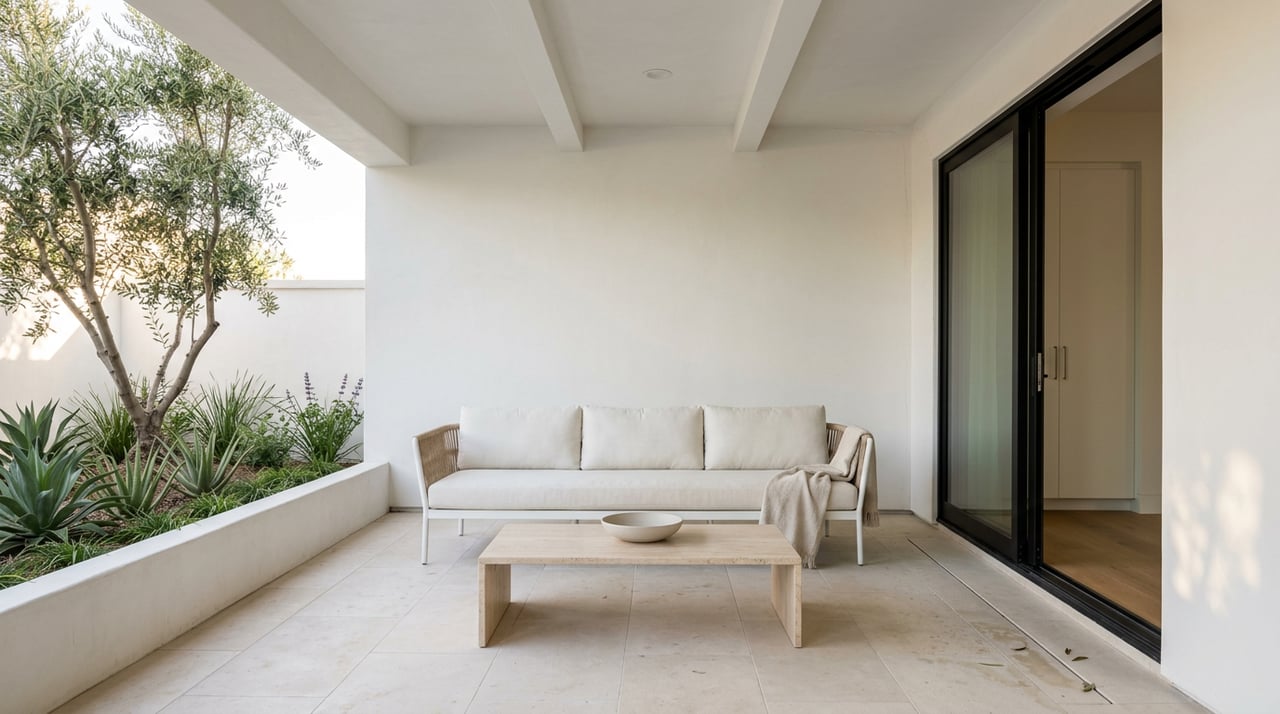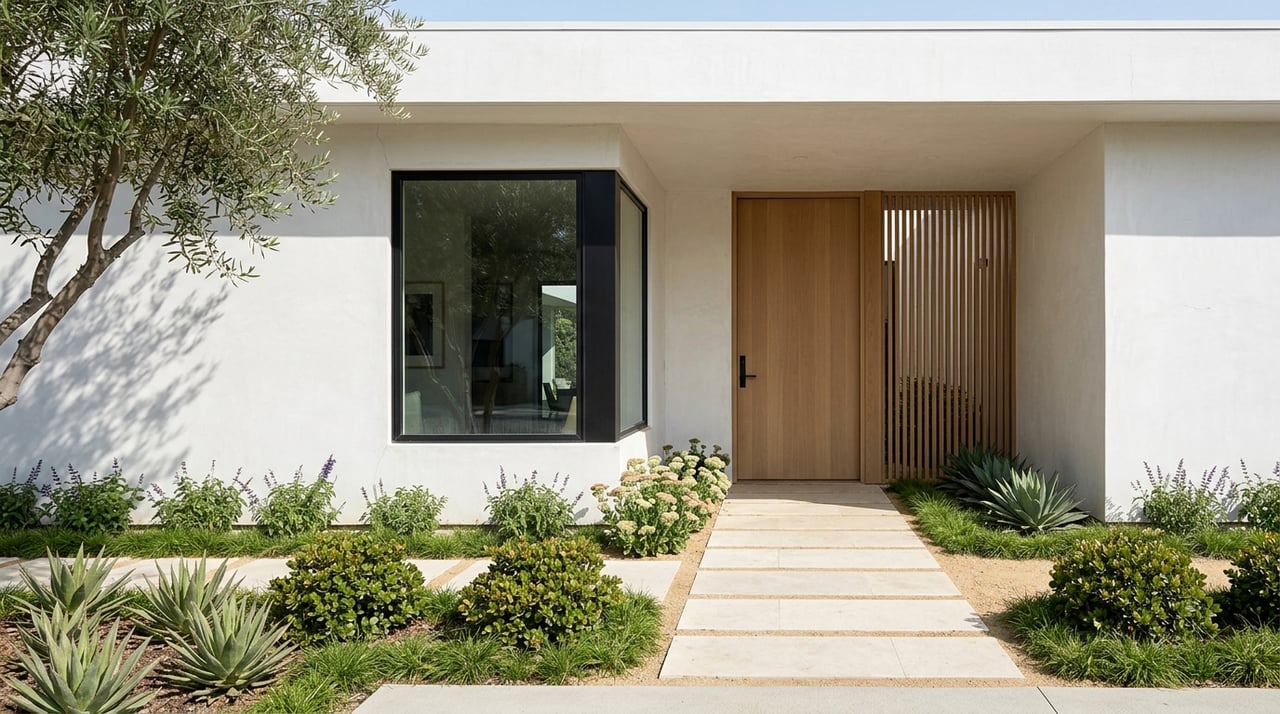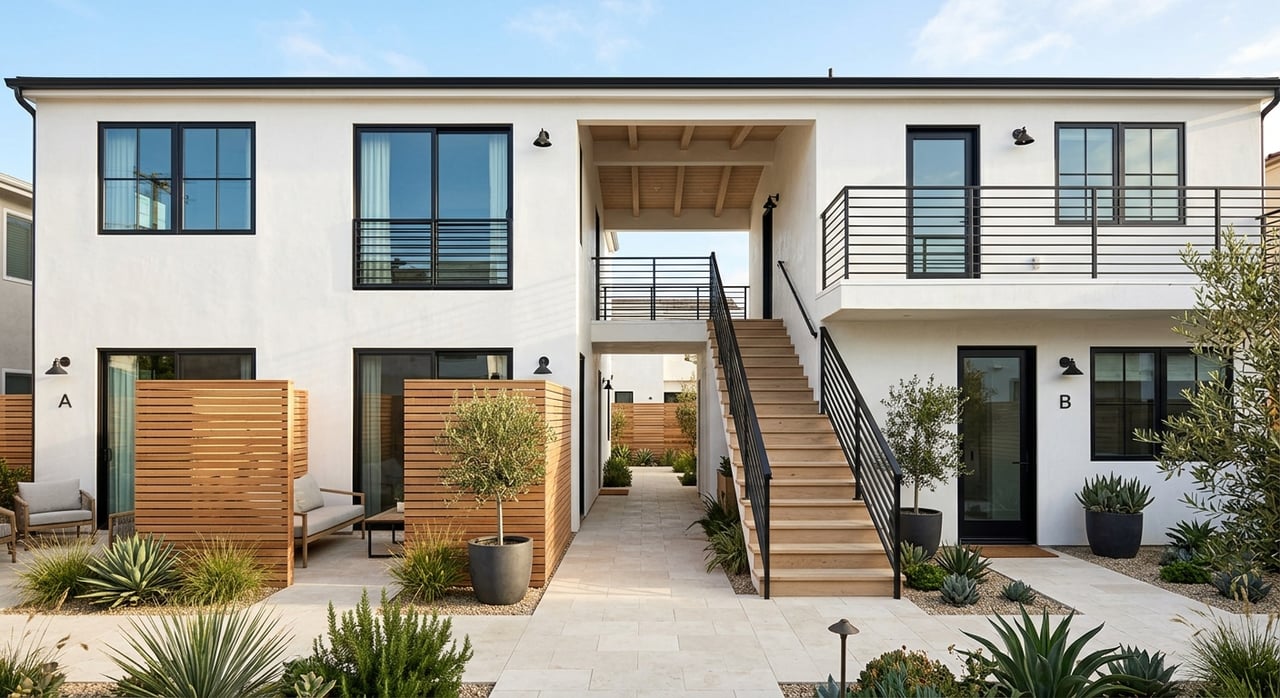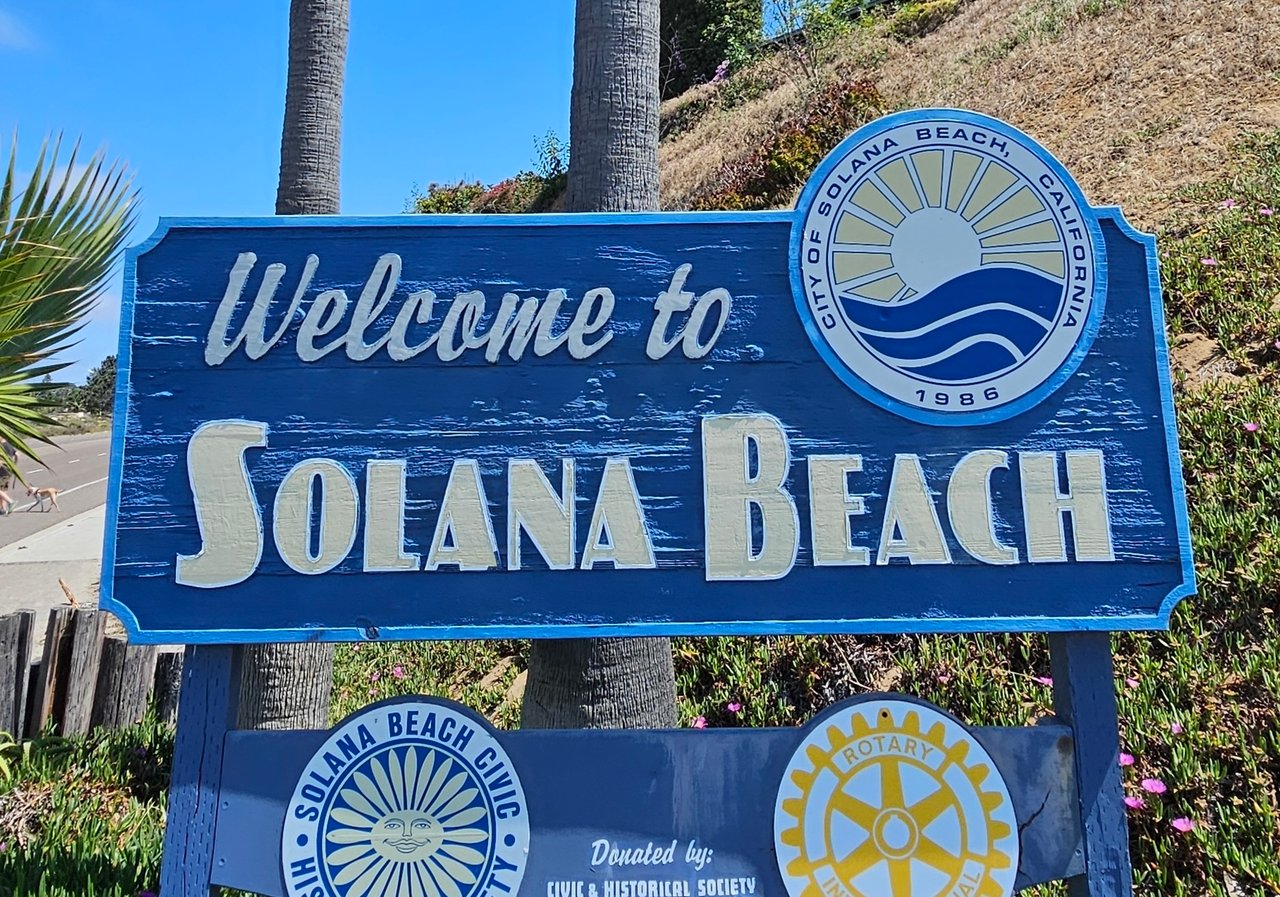
What if your morning starts with coffee on the bluff, a short stroll to the Cedros Design District, and zero yard work on your to‑do list? If you want the Solana Beach lifestyle with less maintenance, townhomes and condos can be a smart path. In this guide, you’ll learn what types of attached homes you’ll find, where they cluster, how HOAs and local rules work, what financing and insurance look like, and a clear checklist to buy with confidence. Let’s dive in.
Why attached living fits here
Solana Beach is a small, high‑demand coastal city where prices run higher than the broader San Diego metro. Attached homes often offer a lower entry price than single‑family properties in the same area while keeping you close to the beach and shops. Inventory is usually tight, so well‑located, updated units can move quickly. Plan for potential competition and/or quick movement on turnkey homes near Cedros and beach access.

Where and what you’ll find
West of I‑5 and near Cedros
If walkability tops your list, focus on addresses west of I‑5 near Highway 101, Cedros Avenue, and the Fletcher Cove stairways. The Cedros Design District is a compact, walkable hub near the Solana Beach train station and only a few blocks from the ocean. Many buildings highlight “blocks to Cedros” or “short walk to Fletcher Cove” as signature perks. You can often leave the car at home for dinner, shopping, or a train ride up the coast.
Common layouts and sizes
You’ll see a mix of older garden‑style communities from the 1970s and 1980s and boutique or mid‑rise buildings closer to the bluffs. Typical one‑bed units in older complexes run about 700 to 900 square feet, with two‑beds around 1,000 to 1,300 square feet. Newer infill townhomes closer to the train station and Cedros tend to be multi‑level, often with 2 to 3 bedrooms and attached garages. Units with recent remodels and ocean‑adjacent locations often command a premium.
Amenities to expect
Most communities include assigned or reserved parking, with some offering gated entry. Shared amenities may include a pool, spa, and landscaped courtyards. Older complexes often have lower dues and fewer amenity upgrades, while higher‑amenity buildings may have on‑site or professional management. Many Lomas Santa Fe area communities show monthly dues in the low to mid hundreds.
Lifestyle and access
A key draw is how easy it is to live car‑light. You’re close to beaches, trails, dining and shopping, and regional rail service from the Solana Beach station. If you are sensitive to noise or traffic, visit at different times and note train schedules, Highway 101 activity, and Cedros nightlife. Use transit tools like Moovit’s Cedros District page to get a feel for routes and timing.
HOA rules that matter
How California HOAs work
Condo and townhome communities in California operate under the Davis‑Stirling Common Interest Development Act. This framework governs budgets, meetings, reserves, disclosures, and owner rights. Expect the CC&Rs, bylaws, and community rules to define what you can change, how exteriors are maintained, and policies on pets and rentals. Review the basics of HOA regulation at the Davis‑Stirling resource.
Short‑term rentals and permits
The City of Solana Beach allows short‑term vacation rentals of 7 to 30 consecutive days with an annual city permit and Transient Occupancy Tax registration, along with posting and response rules. However, many HOAs have stricter limits that can prohibit short stays. Access the city’s official program and packet on Short‑Term Vacation Rentals and TOT. Accessory Dwelling Units and Junior ADUs are generally not eligible for short‑term rental use, so confirm details with the city and your HOA.
Insurance basics for condos and townhomes
Master policy, HO‑6, and deductibles
Your HOA will carry a master policy that usually covers common areas and some portion of the building structure. Learn whether the master policy is bare‑walls or all‑in, and note deductibles, because gaps are typically your responsibility. Owners often carry an HO‑6 policy to insure interiors, personal property, liability, and loss assessments. Review how master policies work via this condo master insurance overview and get practical HO‑6 guidance from this insurance explainer. For coastal property, ask your insurer about flood and earthquake options.
Financing differences from single‑family homes
Project approval and warrantability
With condos, lenders underwrite both you and the building. Conventional and FHA loans may be limited if the project has high investor ratios, pending litigation, insufficient reserves, high delinquencies, or too much commercial space. If you need FHA financing, check the official HUD FHA condo list early. Your lender can also run project reviews for conventional loans, so verify eligibility before you fall in love with a unit.
Pros and cons in practice
Condos and townhomes reduce maintenance and often bring walkable, amenity‑rich living. Monthly HOA dues and potential special assessments are ongoing costs, and shared walls can mean more noise sensitivity. Renovations and rental options are governed by the HOA and city rules. Location and condition, especially near Cedros and the beach, tend to drive pricing.
Buyer due‑diligence checklist
Use this to stay focused once you are under contract:
- Request CC&Rs, bylaws, and community rules. Confirm pet, parking, and rental policies. See the state framework at the Davis‑Stirling resource.
- Review the current budget, balance sheet, reserve study, and insurance declarations. Note reserve funding levels and master policy deductibles.
- Read the last 12 months of HOA meeting minutes and any notices of planned repairs or assessments.
- Confirm short‑term rental eligibility. Check the city’s STVR and TOT requirements and your HOA’s CC&Rs.
- Ask your lender to pre‑check project eligibility for FHA or conventional financing. You can reference the HUD FHA condo list.
- Get an HO‑6 quote and confirm coverage for interiors, personal property, liability, and loss assessments. This condo insurance guide is a helpful primer.
- Visit the property at different times, including evenings and weekends. Note train noise, Highway 101 traffic, and Cedros events. Tools like Moovit can help you map transit patterns.
- Verify parking and storage rights. Clarify deeded vs. assigned parking, guest parking rules, and options for bikes or surfboards.
- Ask about past or pending special assessments and major projects like roofing, piping, or seismic work.
- If you plan seasonal use or rentals within allowed rules, research demand timing and confirm enforcement policies with the HOA and city.
Resale and value tips
Units that balance design updates with proximity to Cedros, the train station, and beach access tend to see strong interest. Quiet orientation, natural light, and functional parking can tilt value within the same complex. Keep an eye on HOA reserves and rule stability, since those affect financing and buyer confidence. A clean inspection and a well‑run HOA make resale smoother.
Work with a trusted advisor
Success with Solana Beach condos and townhomes comes down to access, diligence, and negotiation. You want an advocate who can decode HOA docs, pre‑check financing hurdles, and position you to win in a low‑inventory market. If you are weighing a relocation or a second home, a coordinated plan keeps timelines and costs in check. When you are ready, connect with me to map your next steps.
FAQs
What price range should I expect for Solana Beach condos and townhomes?
- Market reports show a wide range that varies by location, size, and condition, with attached homes often pricing below single‑family properties but commanding premiums near Cedros and the beach.
What are typical HOA fees in Solana Beach attached communities?
- Many older complexes have dues in the low to mid hundreds per month, while higher‑amenity or ocean‑proximate buildings can run higher depending on services and reserves.
Are short‑term rentals allowed in Solana Beach condos?
- The city permits 7 to 30 day rentals with an annual permit and TOT registration, but your HOA may be stricter; confirm both sets of rules before you buy.
What insurance do I need for a condo or townhome?
- Most owners carry an HO‑6 policy for interiors, personal property, liability, and loss assessments, paired with the HOA’s master policy; ask about flood and earthquake options.
How does condo financing differ from a house?
- Lenders review both you and the building; issues like litigation, low reserves, or high investor ratios can limit loan options, so verify project eligibility early.
If you have any specific questions, feel free to give me a call or email me!