Trying to make sense of Encinitas can feel harder than it looks on a map. In just a few miles, you can move from older coastal cottages and eclectic streetscapes to planned residential areas and large-lot rural properties. If you are comparing where to live or what kind of home fits your lifestyle, understanding those differences can save time and sharpen your search. Let’s dive in.
Why Encinitas Feels So Different
Encinitas is a six-mile coastal city made up of five communities: New Encinitas, Old Encinitas, Cardiff-by-the-Sea, Olivenhain, and Leucadia. According to the City of Encinitas, architecture, landforms, landscape, and streetscape all shape neighborhood character, and the city specifically describes eclecticism and diversity as dominant themes.
That matters because Encinitas is not one uniform housing market. The city’s planning framework treats it as a collection of distinct neighborhoods and specific-plan areas, so home style, lot size, and street pattern can shift quickly from one part of town to another. If you are buying here, your first step is often deciding what kind of setting you want before narrowing in on individual homes.
Coastal Encinitas at a Glance
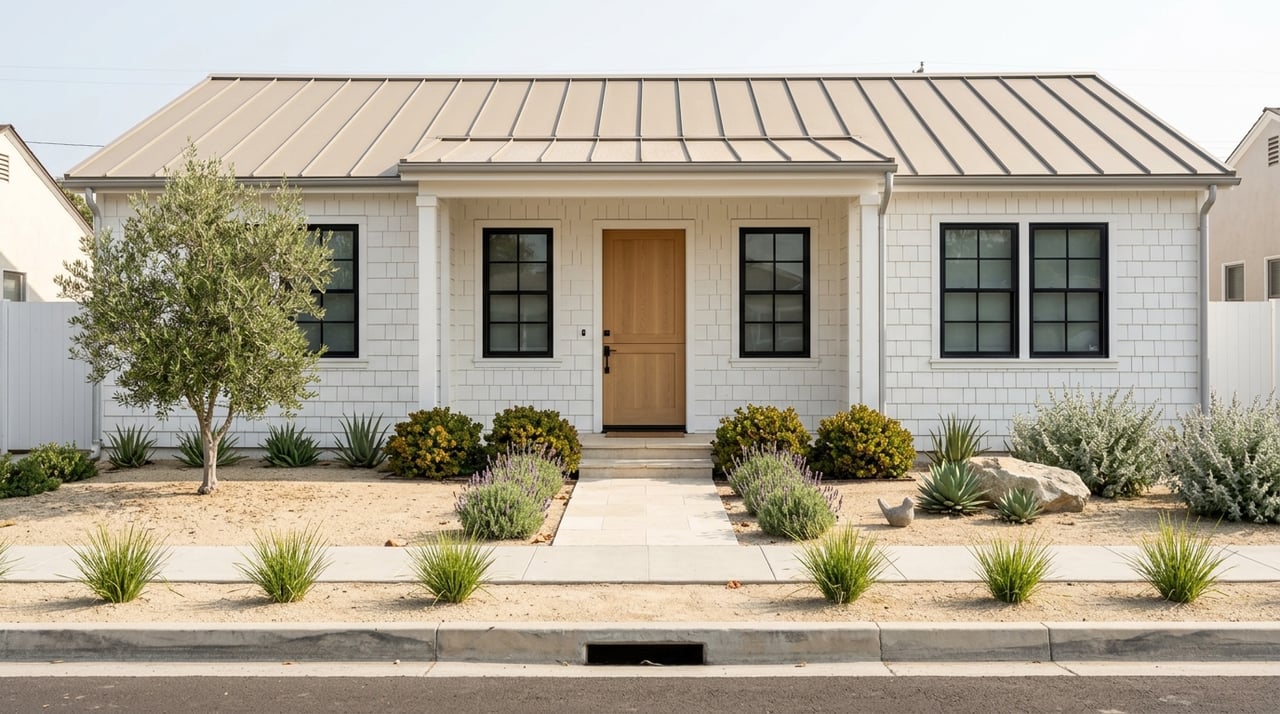
The coastal side of Encinitas tends to offer the strongest beach-town feel. You will generally find older homes, smaller lots, more varied architecture, and a closer relationship to walkable commercial areas in several of these neighborhoods.
For many buyers, this is the part of Encinitas that feels most iconic. It is also where neighborhood character can change block by block, especially near Highway 101 and the ocean.
Cardiff-by-the-Sea
The city describes the Cardiff plan area as a small but highly visible part of Cardiff centered around the business district, with a mix of low-rise retail, office, institutional, and residential uses. Planning goals emphasize a beach-town feel, pedestrian paths, and improvements to the public right-of-way.
For you as a buyer, that often translates into a compact coastal environment with a strong mix of residential and commercial uses. Homes may sit on smaller lots, and the setting can feel more connected to daily errands, local businesses, and beach access than inland parts of the city.
Old Encinitas and Downtown 101
Old Encinitas includes the Downtown Encinitas Specific Plan area, which the city says is intended to maintain a small-scale beach-town character while allowing rehabilitation and economic restructuring. The city also describes Downtown 101 as a century-old coastal shopping district with historic architecture, sidewalk cafes, specialty retail, and restaurants.
This is one of the clearest matches if you are drawn to classic beach-cottage scale and highly walkable living. You are more likely to see older homes, renovated properties, and a stronger tie between residential life and the downtown street scene.
Leucadia
Leucadia is one of Encinitas’ older beach communities along Highway 101. The city describes Cardiff, Old Encinitas, and Leucadia as mostly single-family residential, with some multifamily housing closer to the beach, plus an informal, eclectic, small-town feel created by varied architecture, narrow uncurbed streets, pedestrian orientation, and mature landscaping in the city design standards.
If you like a more relaxed and eclectic coastal setting, Leucadia often stands out. Buyers are typically looking at older beach houses, remodeled homes, and small-lot infill rather than large planned subdivisions. The area is also shaped by ongoing North Highway 101 streetscape improvements, while Leucadia 101 Main Street supports community events like a weekly farmers market.
Inland Neighborhoods and Planned Living
If you want a more predictable street pattern, more contemporary housing options, or a setting organized around planned residential development, inland Encinitas may be a better fit. These areas generally feel less improvised than the coast and may appeal to buyers who want a more suburban rhythm.
That does not mean they lack character. It simply means the housing pattern, lot layout, and infrastructure often feel more intentionally planned.
New Encinitas
The city describes New Encinitas as more of a planned community, with single-family residential as the primary land use and commercial and institutional nodes along El Camino Real and Encinitas Boulevard. The city also notes the presence of private and public open space.
For many buyers, New Encinitas is a practical middle ground. You may find a more suburban street pattern, easier access to services, and a residential setting that feels more consistent than the older coastal neighborhoods.
Encinitas Ranch
Encinitas Ranch is a specific plan area of about 853 acres between I-5 and El Camino Real. City documents describe it as open space and low-density residential, and the area includes the Encinitas Ranch Golf Course. The city’s trails information also notes a trail system within the specific plan area.
This area tends to appeal to buyers who want a newer planned setting with open-space amenities. Compared with the older beach districts, the housing here is more likely to feel contemporary in layout and development pattern.
El Camino Real Corridor
The adjacent El Camino Real Specific Plan is centered on revitalization through streetscape upgrades, pedestrian connectivity, and community-benefit features such as public plazas, paseos, public art, and bike racks.
For you, that makes the inland core worth watching if you want housing near shopping, services, and improving public infrastructure. It can be especially relevant if your daily routine depends more on convenience and connectivity than on immediate beach proximity.
Olivenhain and Large-Lot Living
On the east side of the city, Olivenhain offers a very different experience. The city’s design standards describe Olivenhain as a rural community with large residential lots, mature landscaping, equestrian facilities, open space, trails, rolling hills, canyons, narrow roads, and minimal improvements.
This is the strongest match if you want privacy, larger parcels, and a more rural setting within Encinitas. The city also notes an extensive trail network with pedestrian, bicycle, and equestrian access to open-space areas such as Indian Head Canyon and Manchester Preserve. If your priorities include estate-scale homes, space between neighbors, or equestrian orientation, Olivenhain often rises to the top of the list.
How Home Styles Tend to Vary
Encinitas does not have one dominant architectural style. The city’s own language supports that point by emphasizing diversity, distinct communities, and varied streetscapes rather than one overriding visual identity.
That said, there are some practical patterns you can use as a starting point:
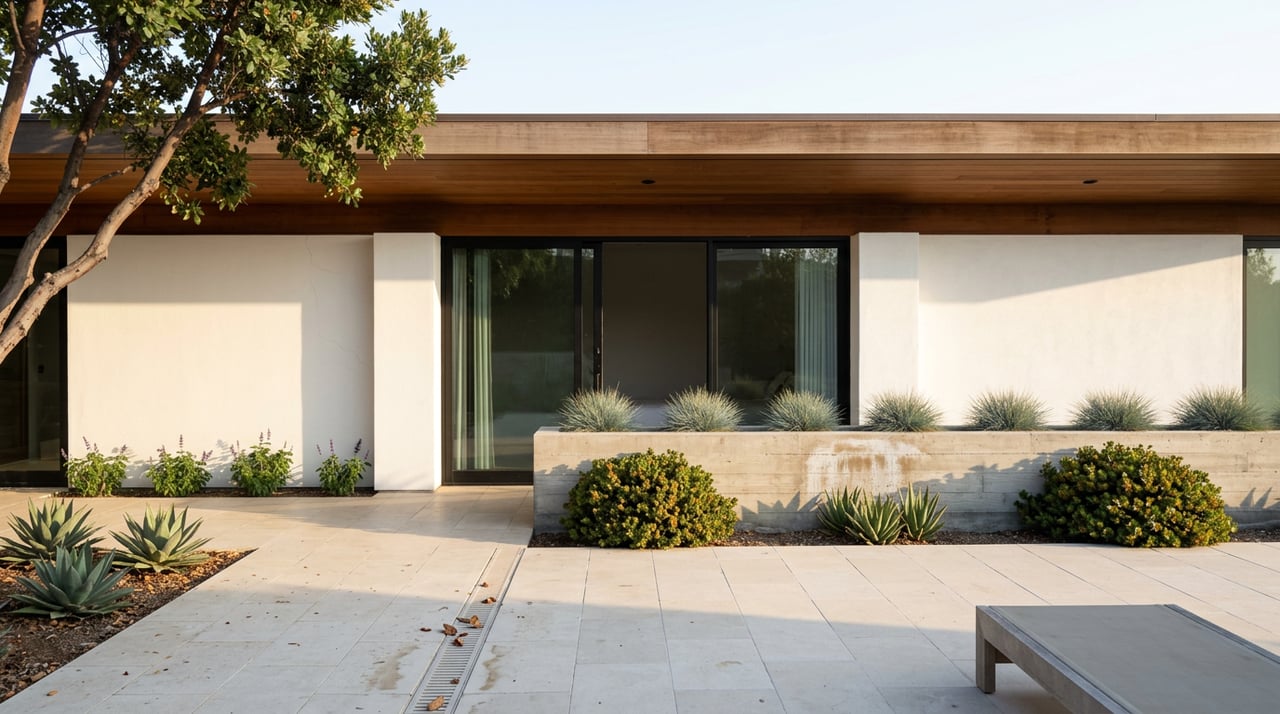
- Old Encinitas and Cardiff-by-the-Sea often align with smaller-scale coastal homes and classic beach-town character.
- Leucadia tends to feel the most eclectic along the coast, with varied architecture and an informal streetscape.
- New Encinitas and Encinitas Ranch more often reflect planned residential development and more contemporary housing patterns.
- Olivenhain is the clearest fit for custom homes, estate-like properties, and larger-lot living.
These are helpful guideposts, not hard rules. In Encinitas, homes can vary significantly even within the same broader area.
Use Lot Size as a First Filter
One of the simplest ways to compare Encinitas neighborhoods is by lot scale. The city’s zoning guide includes everything from RR lots of 2 to 8 acres and RR-1 lots of 1 acre to more suburban detached-home zones like R-5 at 8,700 square feet, R-8 at 5,400 square feet, and R-3 at 14,500 square feet, according to city zoning references.
That creates a useful shorthand for your search. Coastal areas often feel smaller and more walkable, New Encinitas and Encinitas Ranch tend to sit in the planned suburban middle, and Olivenhain represents the largest-lot, semi-rural end of the spectrum.
Match the Neighborhood to Your Lifestyle
If you are trying to narrow the field quickly, start with how you want your day-to-day life to feel.
Choose Old Encinitas or Cardiff-by-the-Sea if you want beach-town scale, older homes, and walkable access to local businesses. Add Leucadia if you prefer a more eclectic coastal feel with informal streets and varied architecture.
Focus on New Encinitas or Encinitas Ranch if you want a planned residential setting, more open-space structure, and a more suburban layout. Prioritize Olivenhain if acreage, privacy, trails, and equestrian access matter most to you.
Verify Property Details Before You Commit
Because specific-plan standards can override more general city guidance, it is important not to assume too much based on a mailing address or neighborhood label alone. Parcel-level verification matters when you are evaluating lot scale, development pattern, or what kind of setting a property actually falls within.
The city’s planning documents note that E-Zoning and land-development tools are the official place to verify zoning and specific-plan context for a property. That extra step can help you avoid surprises and make more informed decisions.
Whether you are comparing coastal cottages, newer planned homes, or large-lot estates, understanding how Encinitas is organized gives you a major advantage. If you want a thoughtful strategy for buying or selling in Encinitas, Todd Vassar offers a high-touch, design-aware approach backed by strong negotiation and local market insight.
FAQs
What makes Encinitas neighborhoods different from one another?
- Encinitas is made up of five distinct communities, and the city says architecture, streetscape, landforms, and landscape all shape neighborhood character, so housing style and lot pattern can change quickly across the city.
What home styles are most common in coastal Encinitas neighborhoods?
- In areas like Old Encinitas, Cardiff-by-the-Sea, and Leucadia, buyers often find older homes, smaller lots, and a more eclectic beach-town pattern rather than one uniform architectural style.
What is New Encinitas like for homebuyers?
- The city describes New Encinitas as a planned community with primarily single-family residential uses, open space, and commercial nodes along major corridors, which can appeal to buyers seeking a more suburban layout.
What kind of homes are typically found in Encinitas Ranch?
- Encinitas Ranch is described as a low-density residential and open-space specific plan area, so it generally points buyers toward a newer planned environment with golf and trail amenities.
What makes Olivenhain different from coastal Encinitas?
- Olivenhain is the rural east-side community, known for large lots, open space, equestrian facilities, trails, rolling terrain, and a more private, estate-style setting.
How should you verify an Encinitas property’s zoning or plan area?
- The city identifies its E-Zoning and land-development tools as the official starting point for checking a property’s zoning and specific-plan context before making assumptions about lot size or neighborhood type.